×

The Standard e-Paper
Stay Informed, Even Offline
 The Standard Group Plc is a
multi-media organization with investments in media platforms spanning newspaper
print operations, television, radio broadcasting, digital and online services. The
Standard Group is recognized as a leading multi-media house in Kenya with a key
influence in matters of national and international interest.
The Standard Group Plc is a
multi-media organization with investments in media platforms spanning newspaper
print operations, television, radio broadcasting, digital and online services. The
Standard Group is recognized as a leading multi-media house in Kenya with a key
influence in matters of national and international interest.
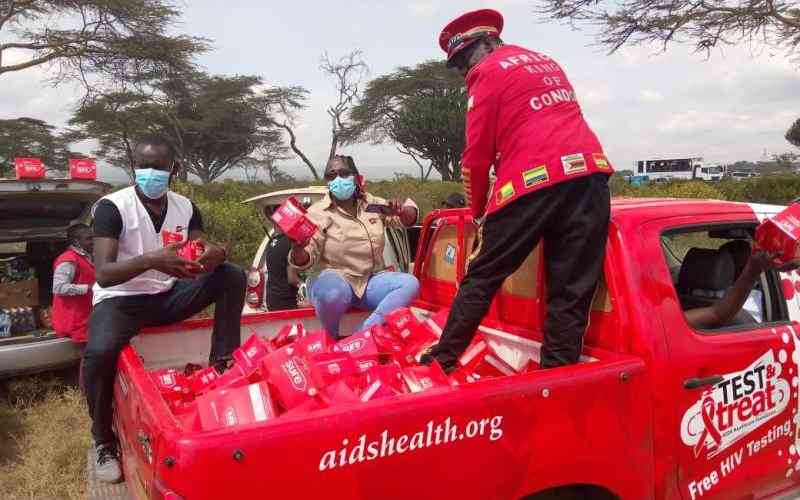
As Kenyans marked World Aids Day last Friday, the conversation was more centred on medication to reduce opportunities for HIV infection rather than the relatively stagnant infection rates. And although the national infection rate — hovering at about five per cent — has continued to concern health experts, there has been less emphasis on how quickly to roll our interventions to reduce risky behaviour.
Today, the emphasis is to provide preventive drugs than it is to offer treatment and develop health facilities. At the bottom of the chain are behaviour change HIV prevention activities anchored on abstention and faithfulness.
Subscribe to our newsletter and stay updated on the latest developments and special offers!









 join
join