×

The Standard e-Paper
Stay Informed, Even Offline
 The Standard Group Plc is a
multi-media organization with investments in media platforms spanning newspaper
print operations, television, radio broadcasting, digital and online services. The
Standard Group is recognized as a leading multi-media house in Kenya with a key
influence in matters of national and international interest.

Audio By Vocalize
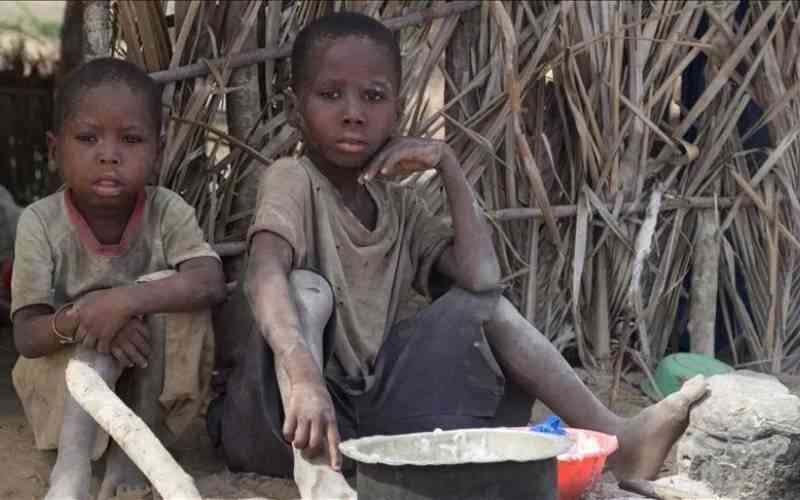
Conflicts, El Nino worsening hunger, say UN food agencies. [AFP]
UN food agencies warned Friday of worsening hunger over the next six months in 16 mostly African areas, with conflicts exacerbating dire conditions in countries such as Sudan and Yemen.
While armed conflict and violence are the main reasons for acute food insecurity, dramatic climate events including El Nino are another driver, the joint report from the Food and Agriculture Organization and the World Food Programme said.
The Rome-based agencies listed Sudan, South Sudan, Somalia, northern Nigeria and Yemen as the areas of highest concern in its early warning about 16 "hunger hotspots" from December until May 2027.
Famine remains a "plausible" risk in parts of Sudan -- including North Darfur -- and South Sudan, the report found.
This comes amid an over 15 percent rise in "political violence events" over the same period a year ago that has prompted "alarming levels of displacement in recent months", particularly in South Sudan and Yemen.
In the five countries most at risk, all repeatedly cited on the hotspot list since 2022, humanitarian assistance has declined by nearly two-thirds over the 2022-2025 period from $5.1 billion to $2 billion.
"While conflict, economic shocks, climate extremes and access constraints have remained the primary drivers... declining humanitarian resources have reduced the capacity to sustain gains and mitigate worsening conditions," wrote FAO and WFP.
While past humanitarian assistance helped avert famine, "the gains proved fragile and of limited duration: severe acute food insecurity risks -- including risk of famine -- re-emerged within a few years."
- 'Very high concern' -
Countries of "very high concern" include Afghanistan, the Democratic Republic of Congo -- which is also struggling with an Ebola outbreak -- Palestine, and Haiti, where expanding gang violence has displaced 1.5 million people and disrupted humanitarian access.
Jean Martin Bauer, WFP Director of Food Security Analysis, told journalists at a briefing in Geneva: "What we're seeing is that the same countries keep appearing among those of highest concern" such as South Sudan, Sudan, Nigeria, Somalia and Yemen.
"At the same time, we're witnessing a scissors effect: needs remain extremely high in these countries, while funding continues to decline," he said.
New additions are Chad, Uganda, the Southern Africa region and the Central American Dry Corridor, a tropical dry forest extending from Guatemala to Costa Rica.
The latter two regions are expected to be hit by the effects of El Nino, adversely affecting crops.
Stay informed. Subscribe to our newsletter
The list also includes Mali, Myanmar and Madagascar.
"Targeted humanitarian action is urgently needed to save lives and livelihoods across all hunger hotspots," read the report.
- Too much or little rain -
El Nino -- the ocean warming phenomenon that is disrupting weather patterns globally provoking devastating droughts or intense storms -- is also playing a major adverse role in areas.
Some 49 million more people could be pushed into acute food insecurity by the end of 2027 due to this year's particularly intense El Nino lasting through next spring, the report said.
"El Nino-related rainfall deficits and elevated temperatures have already contributed to crop losses in the Central American Dry Corridor and Eastern Africa, while also threatening the upcoming agricultural season in Southern Africa," said the report, noting that wet conditions through December are expected to increase the risk of floods in areas of East Africa.
In the Gaza Strip "winter rains and localized flooding could worsen conditions for displaced households -- damaging inadequate shelters and further disrupting essential services and humanitarian operations."
Anticipatory measures such as adapted seeds, better protection of livestock and water supplies, along with timely assistance, can make a difference.
But a FAO-WFP plan faces a funding shortfall of $125 million, the agencies said.
Subscribe to our newsletter and stay updated on the latest developments and special offers!


 Prefer the Standard on Google