By PETER ORENGO
The Government has put off plans to evict over 24,000 families settled in Mau forest during the fourth phase of restoring the water tower.

Instead, it will enter into an environmental leasement agreement with the communities to grow bambo forests in their parcels.
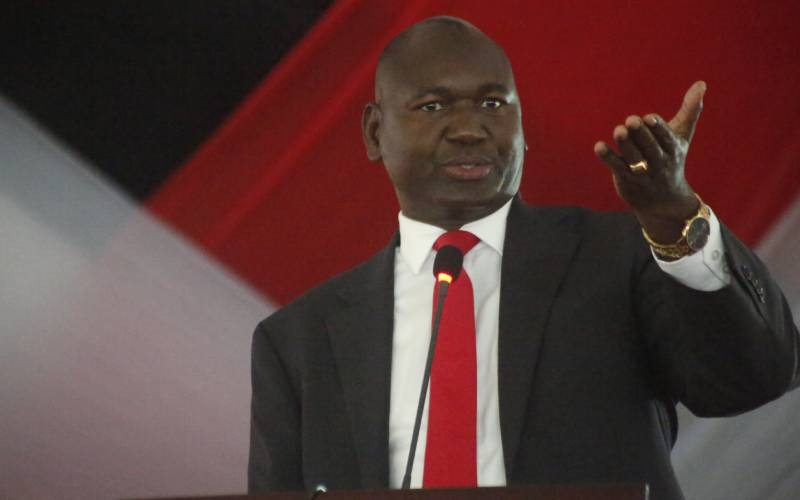
Chief Coordinator and head of the Mau restoration Secretariat Hassan Noor said yesterday the programme in its formative stage could earn the country over Sh600 million in revenue from bamboo products.
Mr Noor also refuted claims that it was targeting Kiptagich tea estate in its eviction plans, saying the factory is a source of livelihood for people in the area and the secretariat has no intention of bringing further suffering to them through eviction.
“We will only target areas that are critical in rehabilitation. But even this will depend on expert advice. Eviction is not the only solution to restoring the country’s depleted forest,” Noor told the Press at the Secretariat Headquaters in Nairobi.
The fourth phase targets small scale legal land owners and tea estates that benefitted from the 2001 land excision. Kiptagich tea estate also falls in this phase.
Noor also warned politicians against inciting communities living near the Mau forest saying actions taken by the secretriat are guided by the Constitution.
“Let’s avoid politicising the Mau restoration activities. It should be noted that all 18 water towers are now being handled professionbally by the new Kenya Water Towers Agency.”
Noor said since its inception, the secretariat has been able to restore over 80 per cent of the destroyed forest. Several groups and organisations also partnered with the Government and adopted part of the forest, which they are currently rehabilitating.
Phase I of the Mau rehabilitation efforts targeted land which had been earmarked for settlement but had not been allocated to anyone. It was recovered last year and was about 4,000 hectares.
Phase II was aimed at land that had been encroached by squatters. It was 19,000 hectares recovered last year. Phase III, which includes massive planting of indigenous trees, is on course and should be completed by the end of the year.