NHIF is currently under probe for allocating funds to Clinix Healthcare and Meridian for non-existent medical facilities.
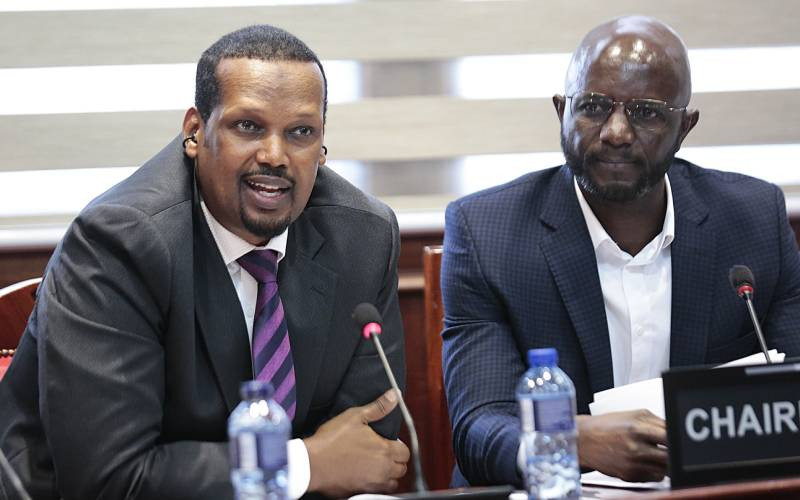
Dr Kanyenje Gakombe, the vice chair of the Kenya Association of Private Hospital, told the Parliamentary Committee on Health that the mistake the national insurer made was to launch the scheme before enlisting service providers.
“Ordinarily if you are starting a service, you set up your service infrastructure then you go and look for customers. Civil Servants were signed up when negotiations with providers were still on. There was no elaborate provider network to talk about at the time that the scheme was being signed up,” Gakombe told Financial Journal in an exclusive interview.
He said the association held several meetings with Medical Services minister Anyang’ Nyong’o and the NHIF board to advice prior launching of the scheme but failed to reach any conclusions.
Gakombe said the main reason why most private hospitals refused to sign up to the outpatient scheme because of the amount allocated per NHIF member under the capitation model.
Capitation is a system where a health facility is given a fixed amount of money by the insurer to offer services.
NHIF proposed to allocate Sh2,850 per member per year to offer outpatient services. However, some of the private hospitals said this was not adequate and demanded for between Sh6,000 and Sh9,000, said Gakombe.
“It is almost impossible to quote for outpatient services without a scope of the services because outpatient services could even include day surgery, and they could be limited to consultation and dressing so we found it very hard to give any form of financial proposal to NHIF,” he told the parliamentary committee that is probing irregular allocation of funds to ghost and non-existent clinics.
Civil servants were expected to receive unlimited inpatient and outpatient services after joining the scheme which began in January this year.
Gakombe proposed a review of the amount offered to hospitals and also said that there needed to be a strong system to ensure that members got quality service that they were entitled to even under capitation model of payment.
“In the absence of a very strong and aggressive quality assurance system, capitation simply puts money into the pockets of service providers without guaranteeing that they will render any service because any patient who turns up for treatment is actually a nuisance. They are coming to spend money, so they are not welcome,” he stated.
first payment